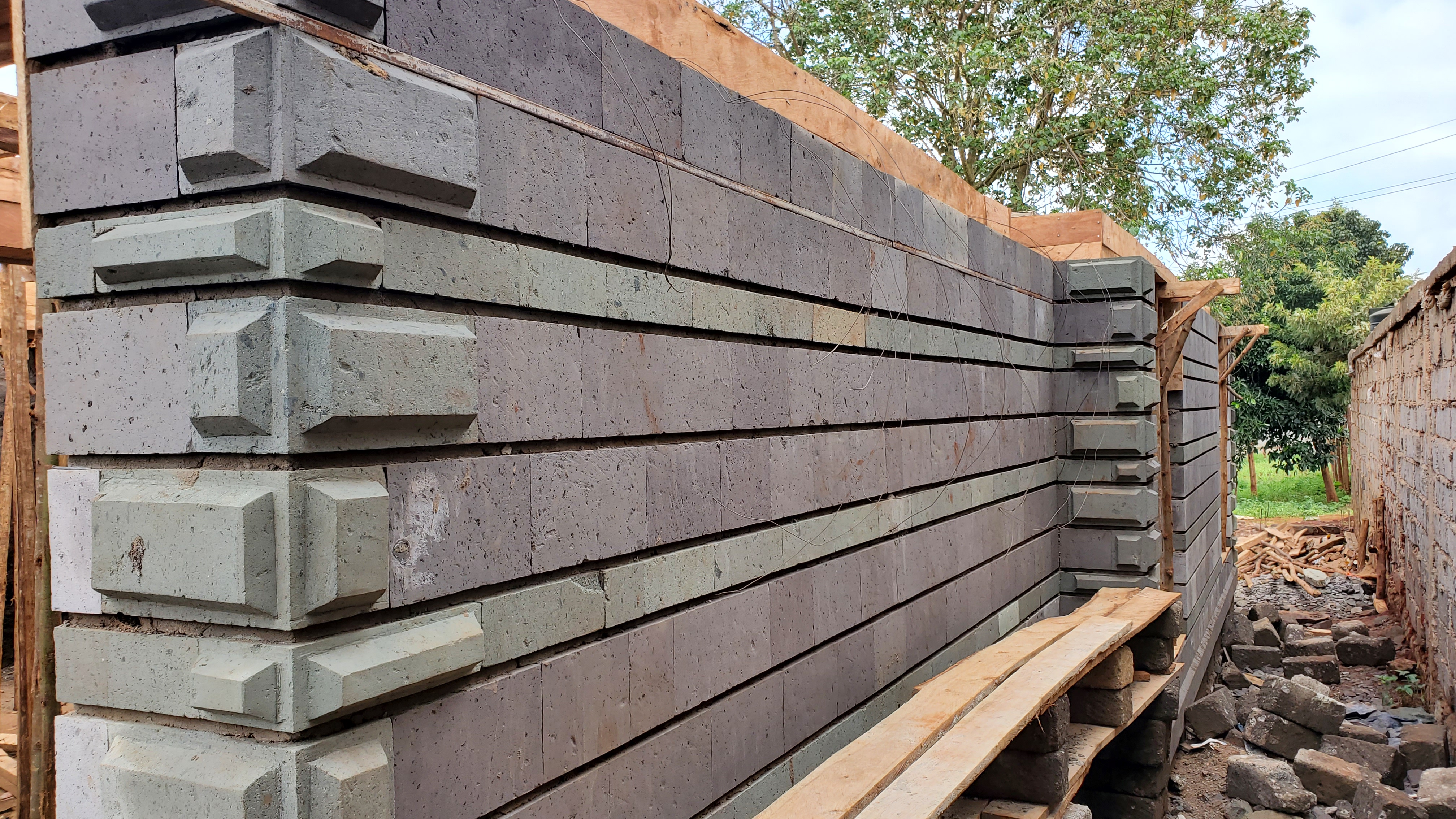
The Art Behind a Stone Wall: Why Good Masonry Can Never Be Rushed
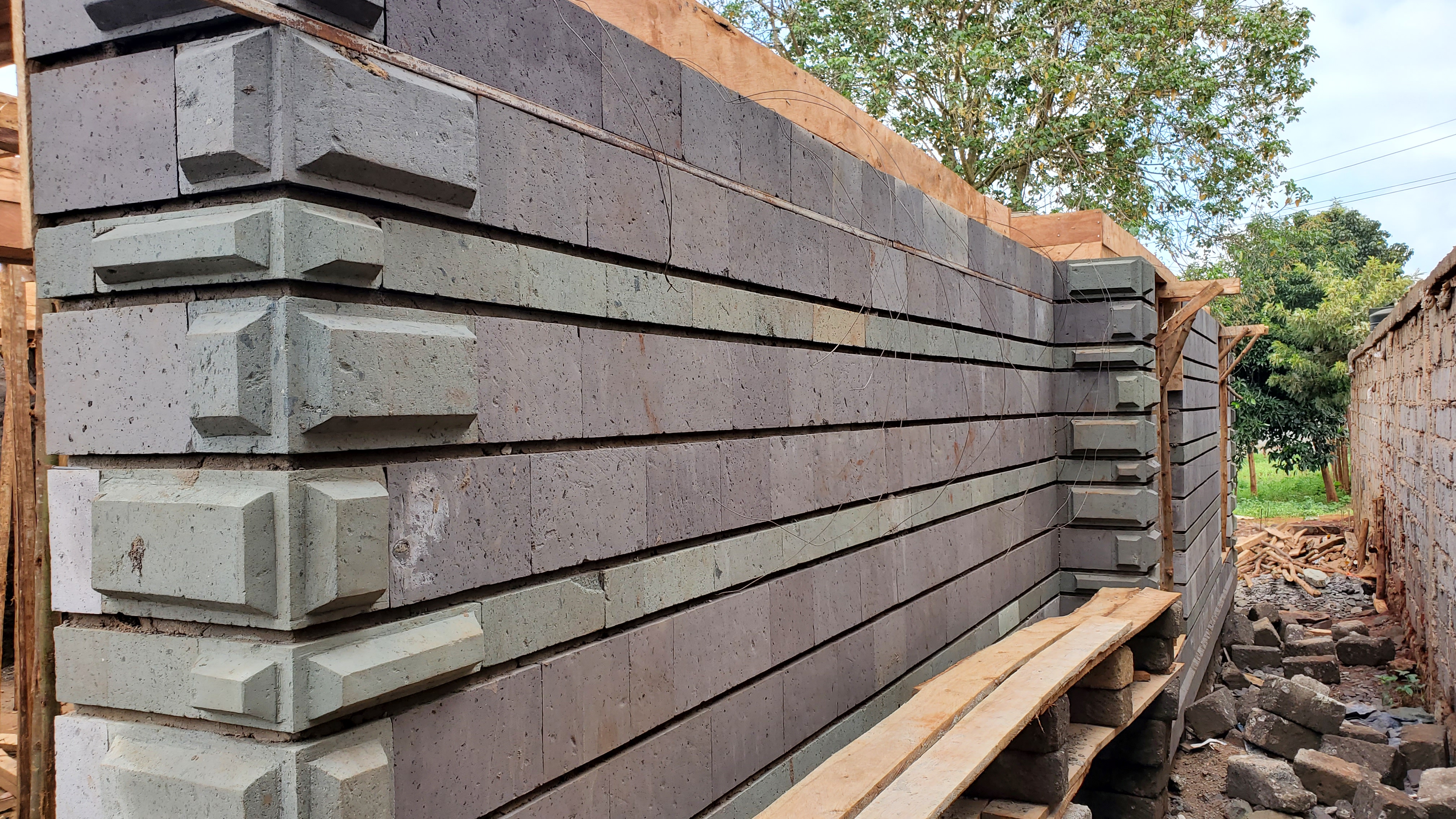
When people admire a beautifully finished stone house, they rarely think about what lies behind the finished wall. They notice the colour, the texture, and the elegance of the masonry, but few appreciate the hundreds of decisions, adjustments, and hours of craftsmanship required to achieve that result.
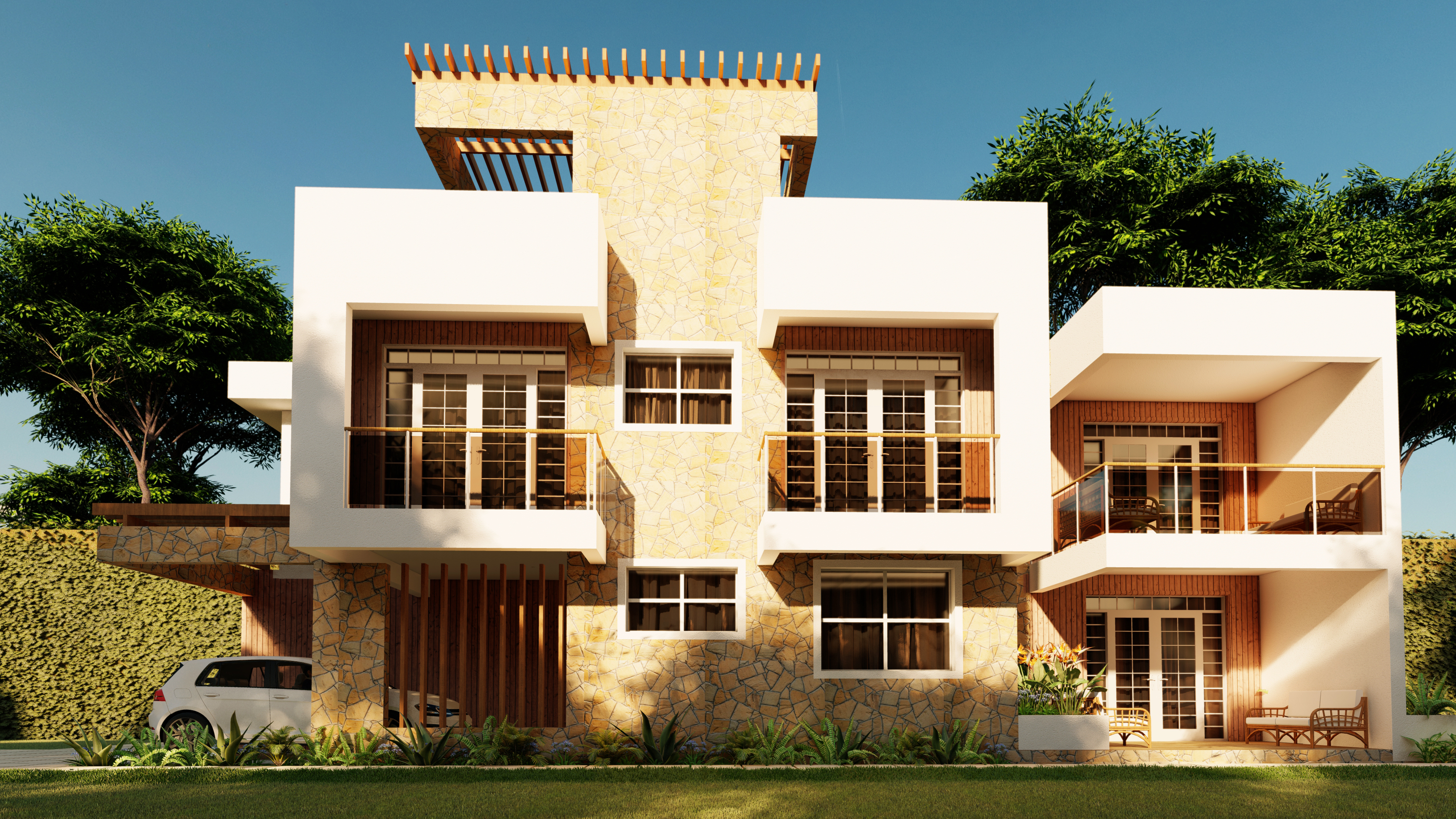
One of our most memorable residential projects involved constructing the ground floor entirely from zero-joint dressed stone. Although modest in scale, it became one of the most demanding projects we have ever supervised. This was not because of its size, but because of the precision it demanded.
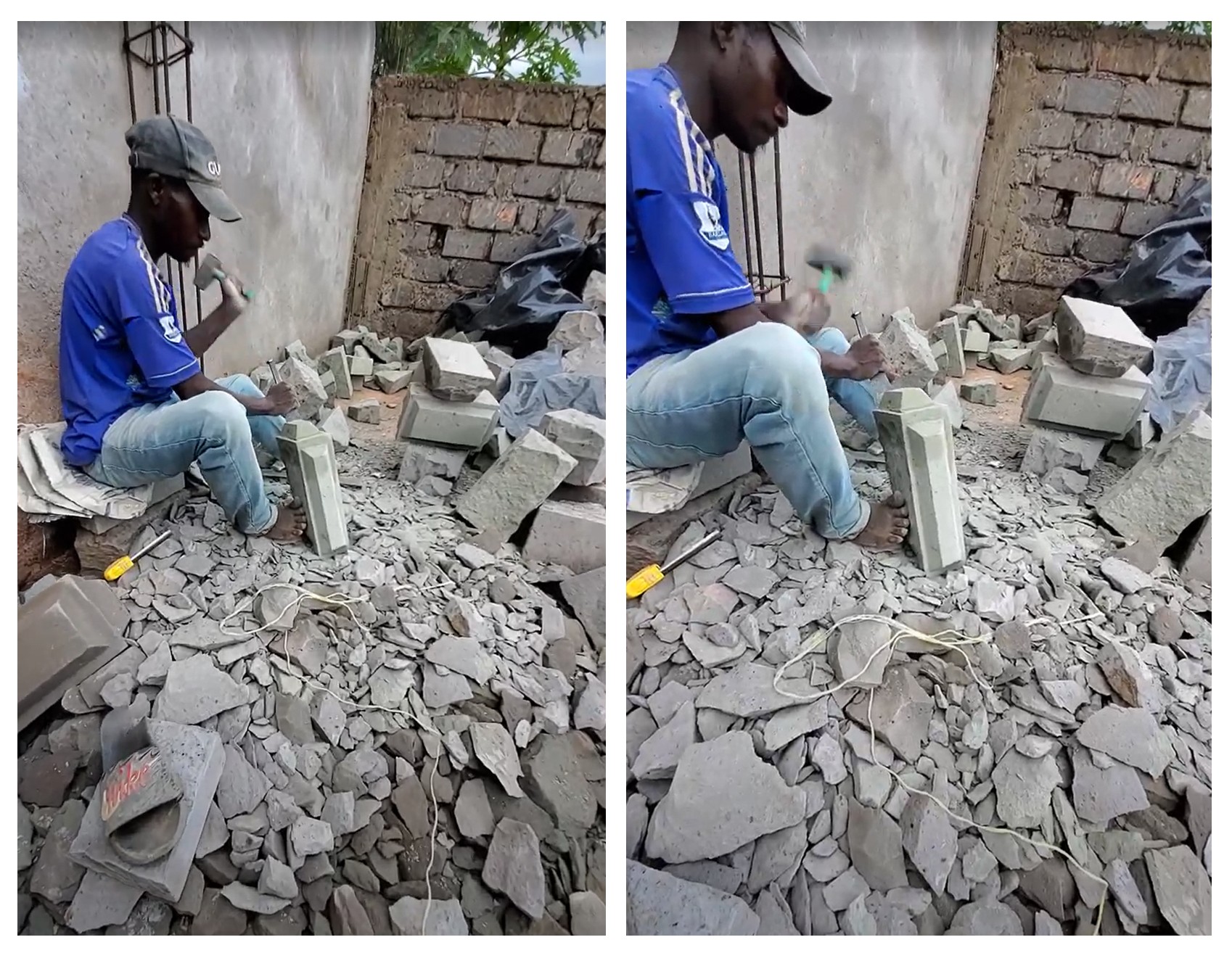
The work began long before the first stone was laid. Every successful stone wall starts with selecting and carving the first stone. It establishes the standard for everything that follows. Each block had to be carefully dressed to produce perfectly flat faces and crisp edges that would allow adjoining stones to fit together with almost invisible joints. This was not factory work. Every stone was individually shaped by skilled craftsmen, and every finished piece was inspected before approval.
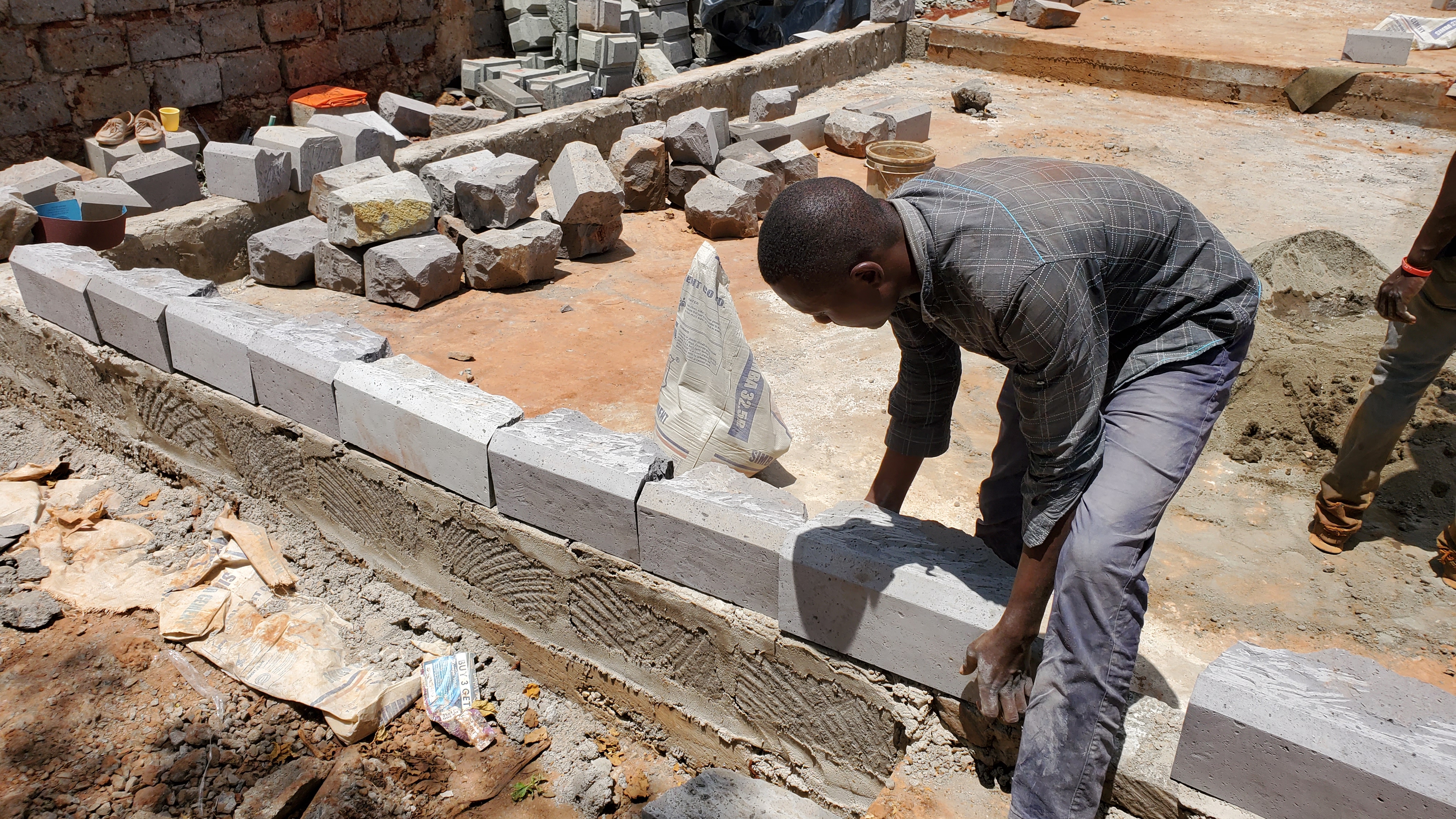
Once enough stones had been prepared, attention shifted to setting out the first course. This is arguably the most important stage of the entire wall. If the first course is even slightly out of level or out of line, every subsequent course will inherit those imperfections. Considerable time was therefore spent checking levels, string lines, and alignment before a single additional stone was placed.
The corners demanded even greater care. In stone masonry, corners are more than simply meeting points between two walls, they establish the geometry of the entire building. Once the corner stones were perfectly positioned, they became permanent reference points from which every wall line, level, and course was developed. A mistake at the corners would have been repeated throughout the structure.
As construction progressed, selected stones were painstakingly carved into decorative elements around openings and architectural features. These pieces required exceptional craftsmanship because they served both structural and aesthetic functions. Unlike ordinary wall stones, decorative blocks had to align perfectly with adjacent masonry while contributing to the architectural character of the building.
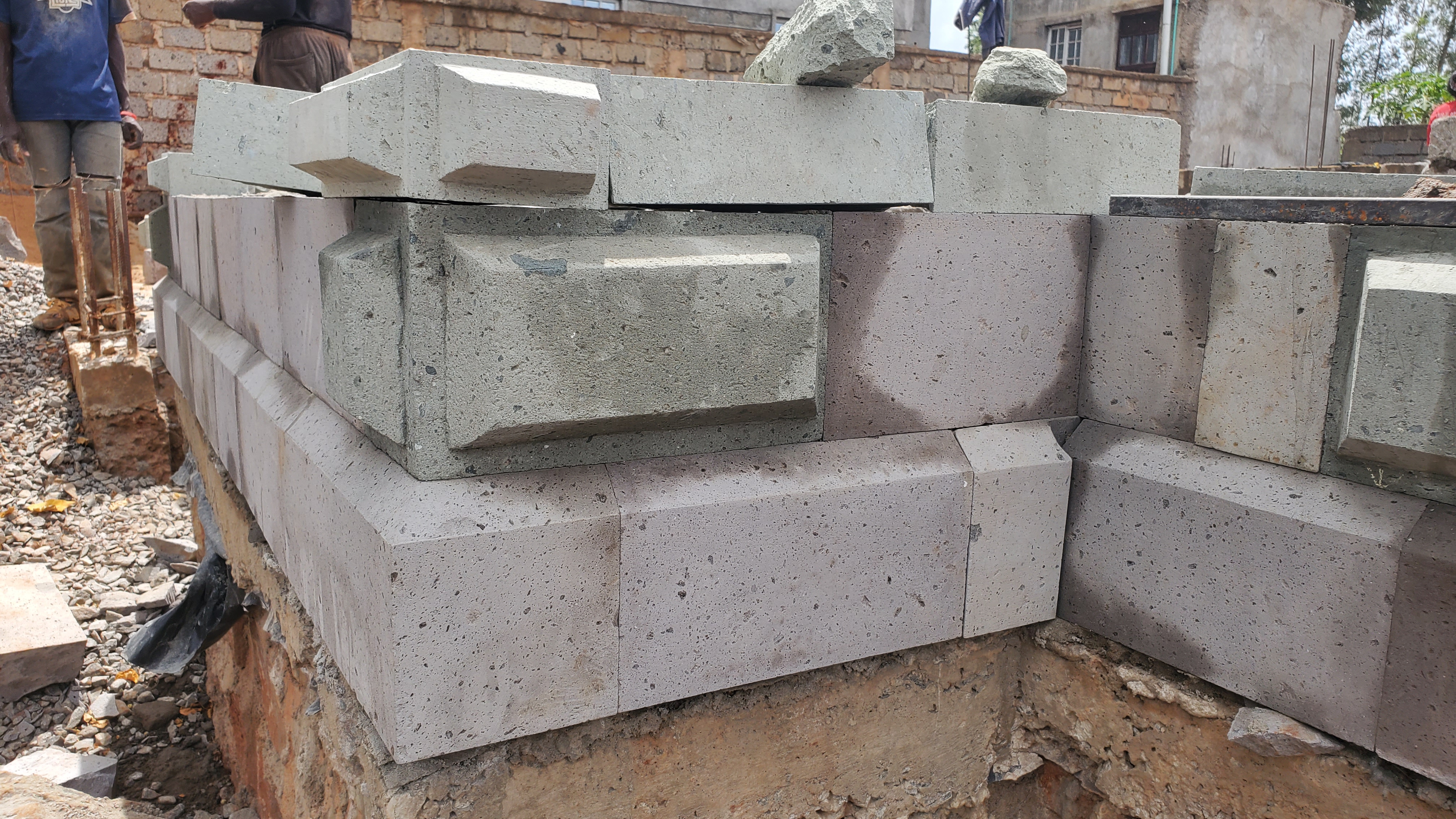
Although the walls were primarily constructed using zero-joint masonry, where adjacent stones appear to meet seamlessly, carefully positioned 20-millimetre joints were introduced at intervals. These were not mistakes or inconsistencies. They were deliberate design decisions that relieved visual monotony, accommodated slight dimensional variations in the stonework, and celebrated the natural rhythm of handcrafted masonry. Achieving this balance required constant judgement rather than simply following a drawing.
Throughout construction, maintaining the plumbness of every wall remained a continuous exercise. Every few courses, the walls were checked vertically and horizontally using spirit levels, plumb lines, and string lines. Small deviations, if ignored, would quickly become significant problems. In stone construction, correction becomes increasingly difficult as the wall rises, making continuous supervision essential.
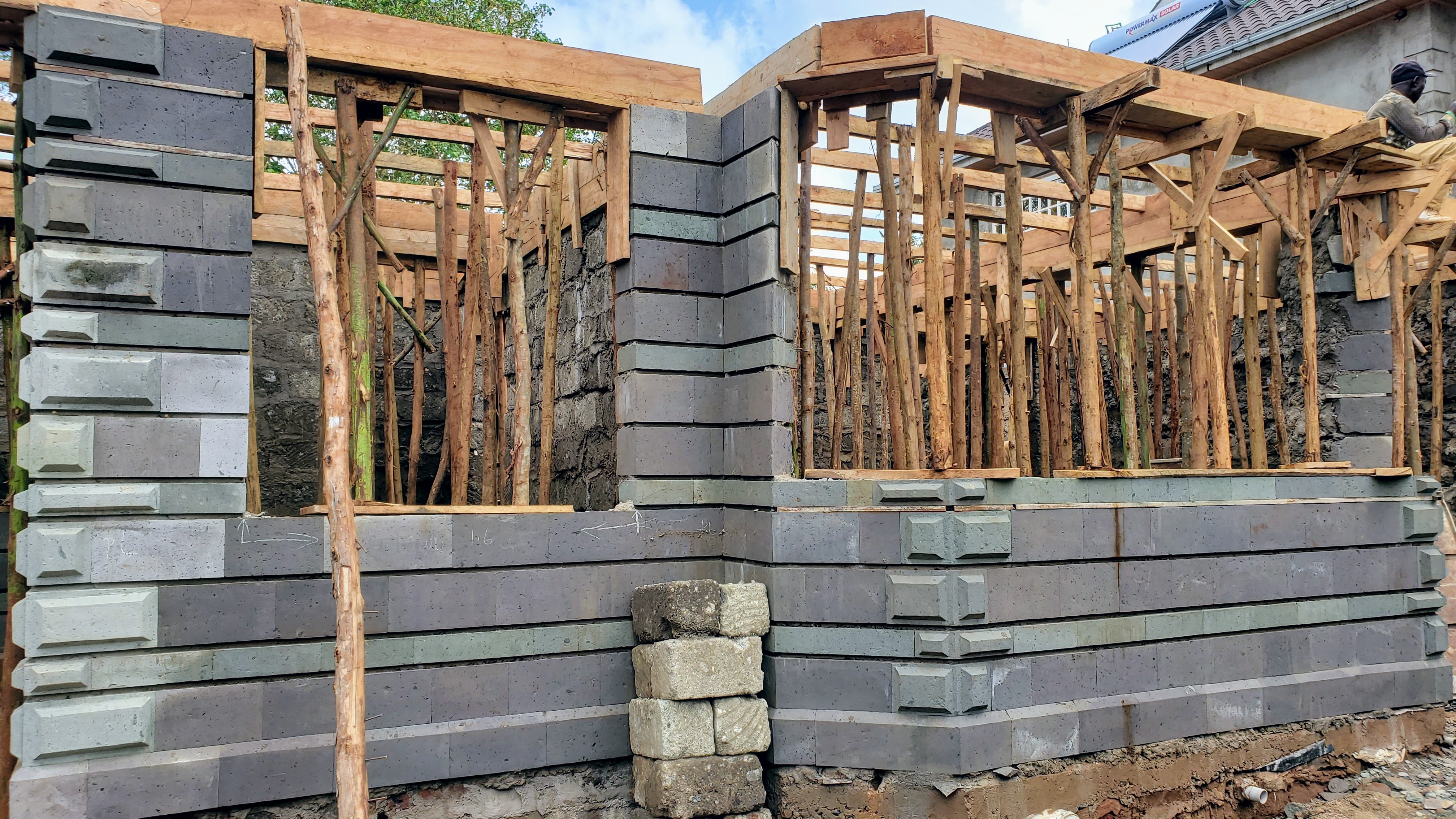
Protecting the finished masonry proved equally important. Unlike plastered walls, dressed stone is the final finish. Every scratch from scaffolding, every careless impact from wheelbarrows, every cement stain, and every chipped edge remains visible long after construction is complete. This required everyone on site to handle completed work with unusual care, often slowing down other construction activities to preserve the integrity of the stone finish.
The greatest lesson from this project was that exceptional workmanship cannot be rushed. While drawings define the architecture, it is the patience of skilled craftsmen and the vigilance of continuous site supervision that ultimately determine the quality of the finished building.
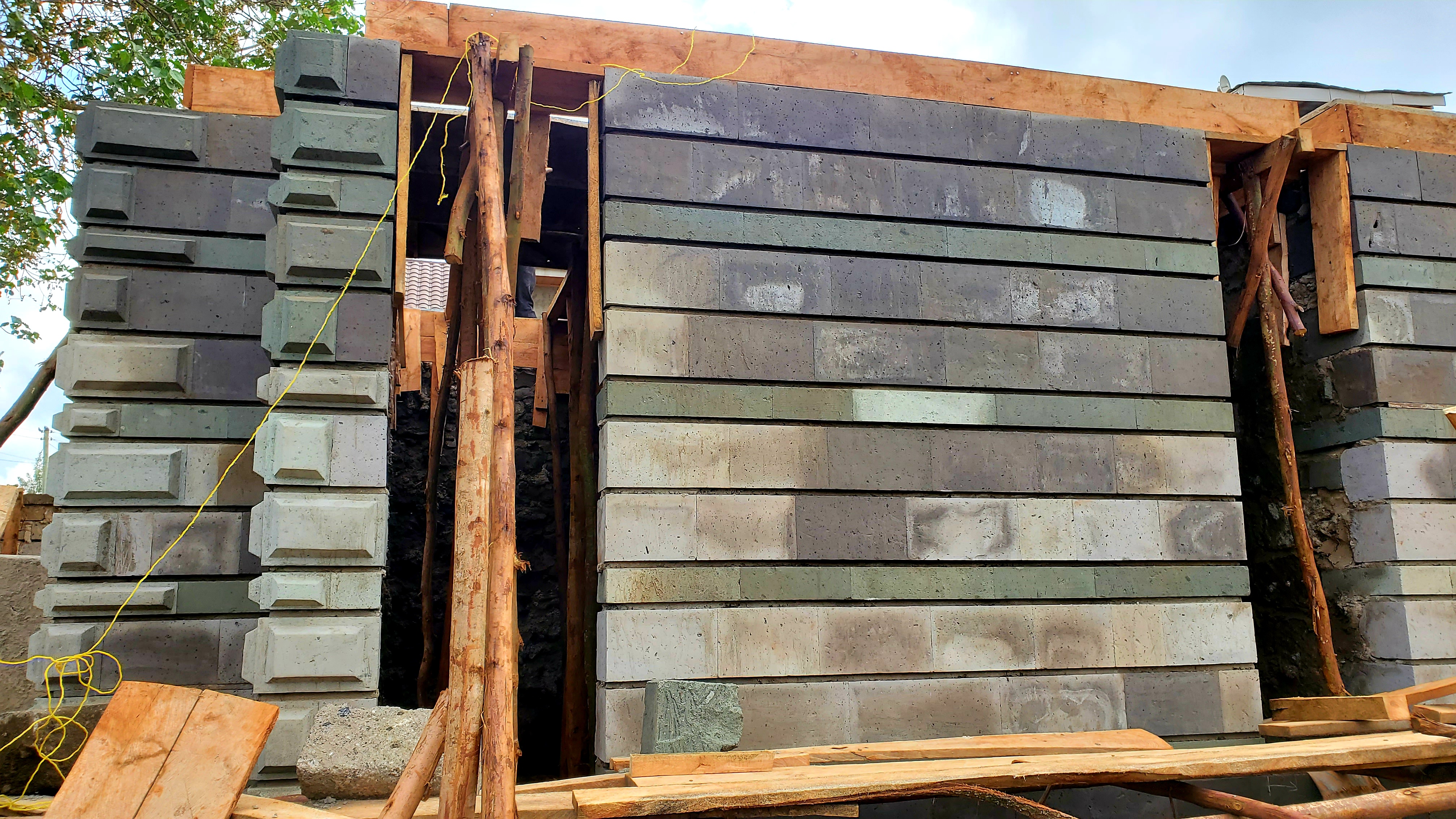
Today, although the homeowner has chosen to keep the completed residence private, the construction photographs tell a story that is perhaps even more valuable. They reveal that great architecture is not created only in the designer's studio. It is also shaped, stone by stone, on site—through craftsmanship, discipline, and an uncompromising commitment to getting every detail right.
Comments (0)
Sign in to leave a comment